Commercial Services

Emergency Facility Repairs & Disaster Recovery
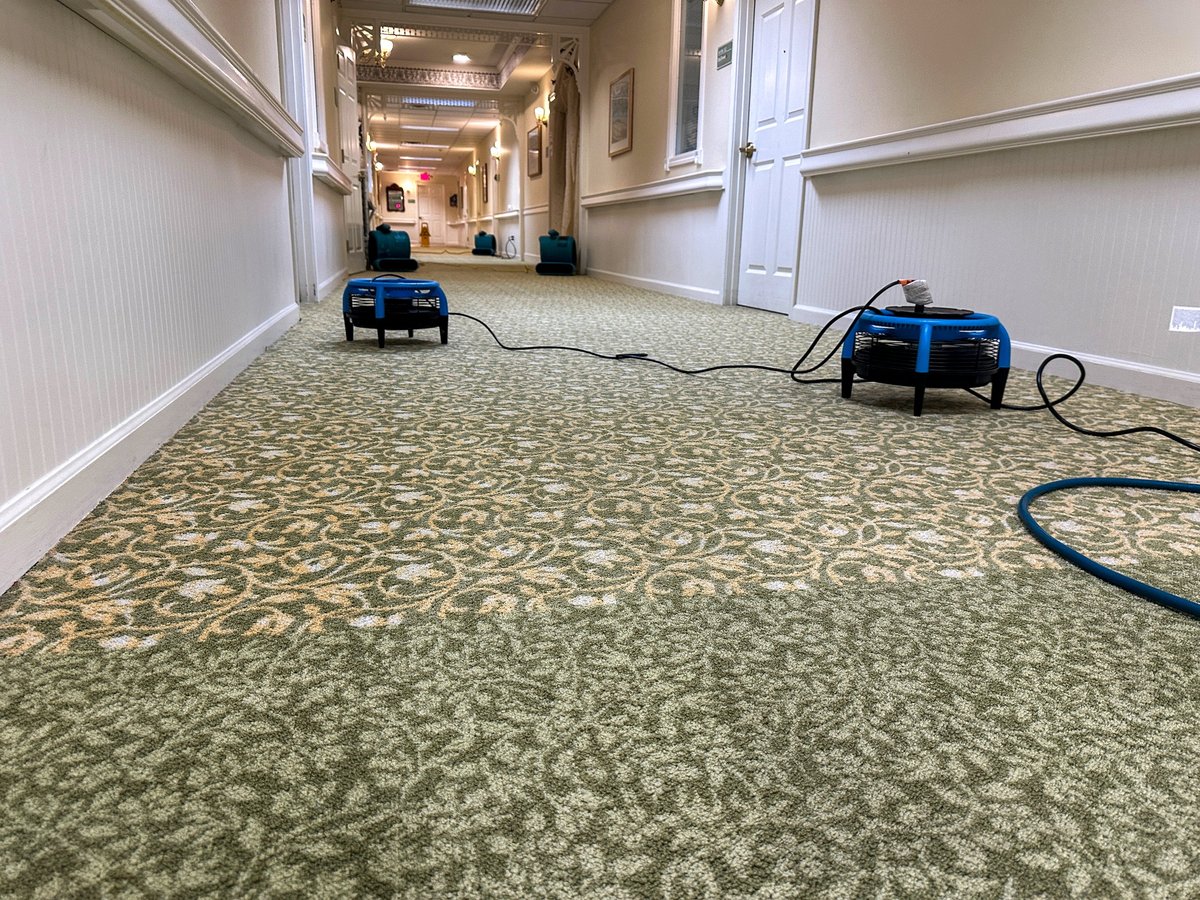
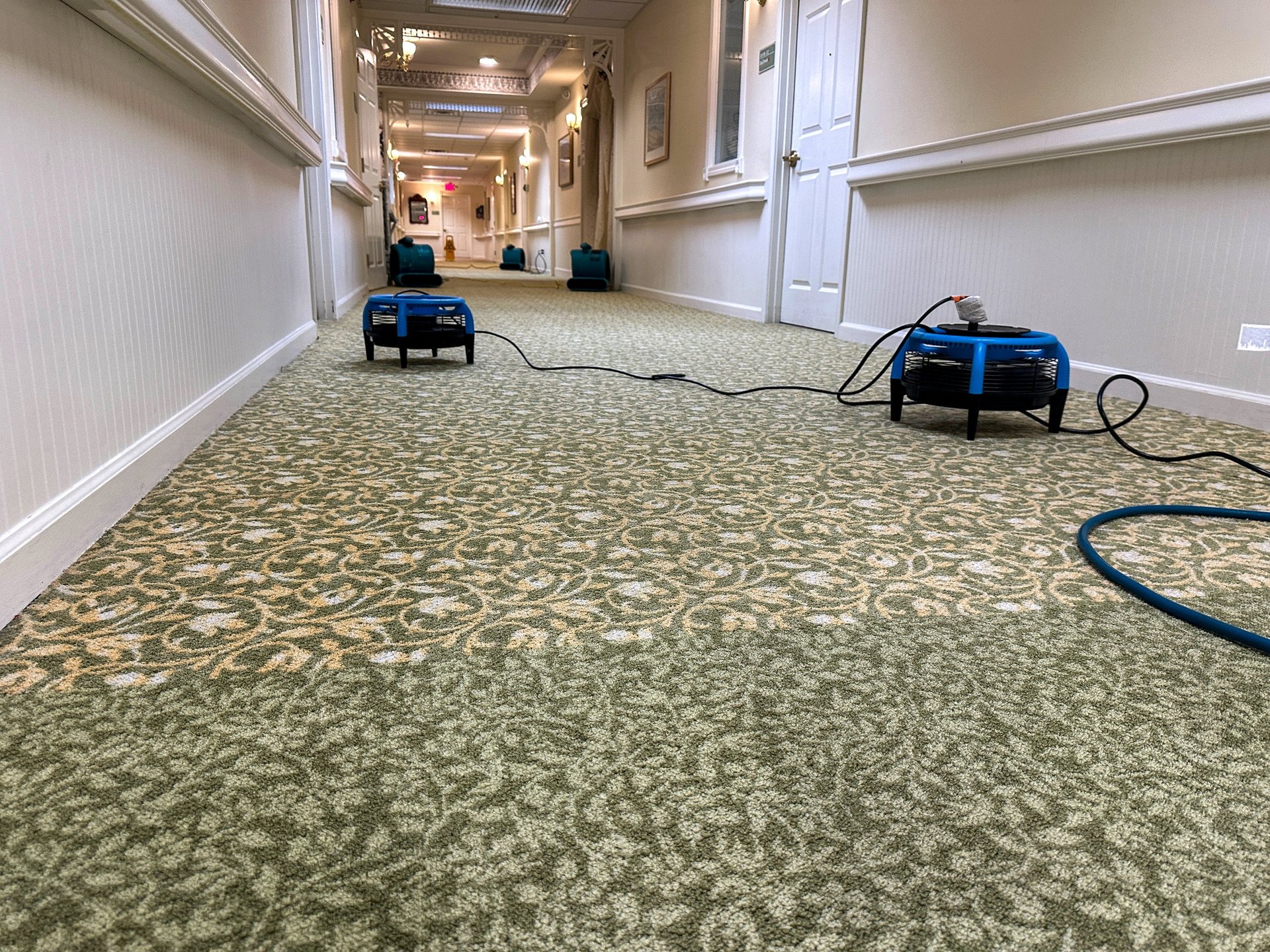
Air movers positioned along a carpeted commercial hotel corridor to dry the floor after water damage
Air movers along a commercial corridor during drying

Emergency repairs, make-safe work, fire and smoke damage restoration, vehicle-impact repair, storm recovery, and rebuild for commercial buildings. Calls are answered 24/7, and AIOS coordinates the trades the loss requires — timing is set by the location, the conditions on site, and trade availability, and is confirmed with your team.

The site is assessed before work is scoped, AIOS coordinates the make-safe work that stops further damage, and rebuild work is priced to the reconstruction you approve.

  • 1 · Triage

    Urgent call taken, impact and hazard established

  • 2 · Contain

    Make-safe and drying to stop further damage

  • 3 · Recover

    Remediation, then rebuild to the approved scope
Scope

What Emergency Facility Repairs & Disaster Recovery Covers

Response work moves in stages: stabilize the site, remove the source and the damage, then rebuild. Each stage is scoped from what is found on site, and non-water losses — fire, smoke, impact, storm, environmental — are handled on the same sequence.

Step 01 / Triage

Emergency response

  • Urgent repair coordination and make-safe services
  • Storm and disaster recovery

The urgent call establishes the hazard, what is still failing, and who needs to be kept out of the area. Make-safe work is scoped to stopping further damage and securing the site; permanent repairs are quoted separately once conditions are assessed.

Step 02 / Containment

Damage mitigation and restoration

  • Fire and smoke damage restoration
  • Vehicle-impact damage repairs and restoration (car strikes)
  • Mold remediation
  • Water damage mitigation — extraction and structural drying

Containment stops the damage from spreading before the remaining structure is assessed. Fire and smoke work, impact damage, and water damage each carry their own method, so the scope is set from what is actually affected on site.

Water extraction, drying, and water-related repairs are detailed on Water Damage Restoration.

Step 03 / Recovery

Environmental and rebuild work

  • Specialty and biohazard cleanup
  • Asbestos abatement coordination
  • Reconstruction and build-back services

Once the site is dry and stable, the rebuild is scoped to the approved work — materials, finishes, and sequencing — and reported back at completion against that scope.

Rebuild detail: Build Back

Related scope

  • Reconstruction and build-back work that follows mitigation is scoped as a separate phase.
  • Specialty and environmental work — biohazard cleanup and asbestos abatement coordination — is included only where the approved scope lists it.

For the trades AIOS covers on an urgent call — and how timing is confirmed — see Emergency Services.

Start a Program

Before the Next Loss, Have a Plan in Place

Emergency work moves faster when the site details and access information are already on file. For a loss that is happening now, call the 24-hour line — the phone is answered around the clock, and AIOS confirms which trades can be coordinated for that address and when.

What to send us

Site location, after-hours access details, the nature of the loss, and photographs of the affected area.

Back to the commercial services overview

Direct Contact

Brad Moreland

National Project Manager

Direct phone / text
(936) 537-4420
Direct email
Brad@allinonesvc.com

Already a client with a work request? Use the service request form.